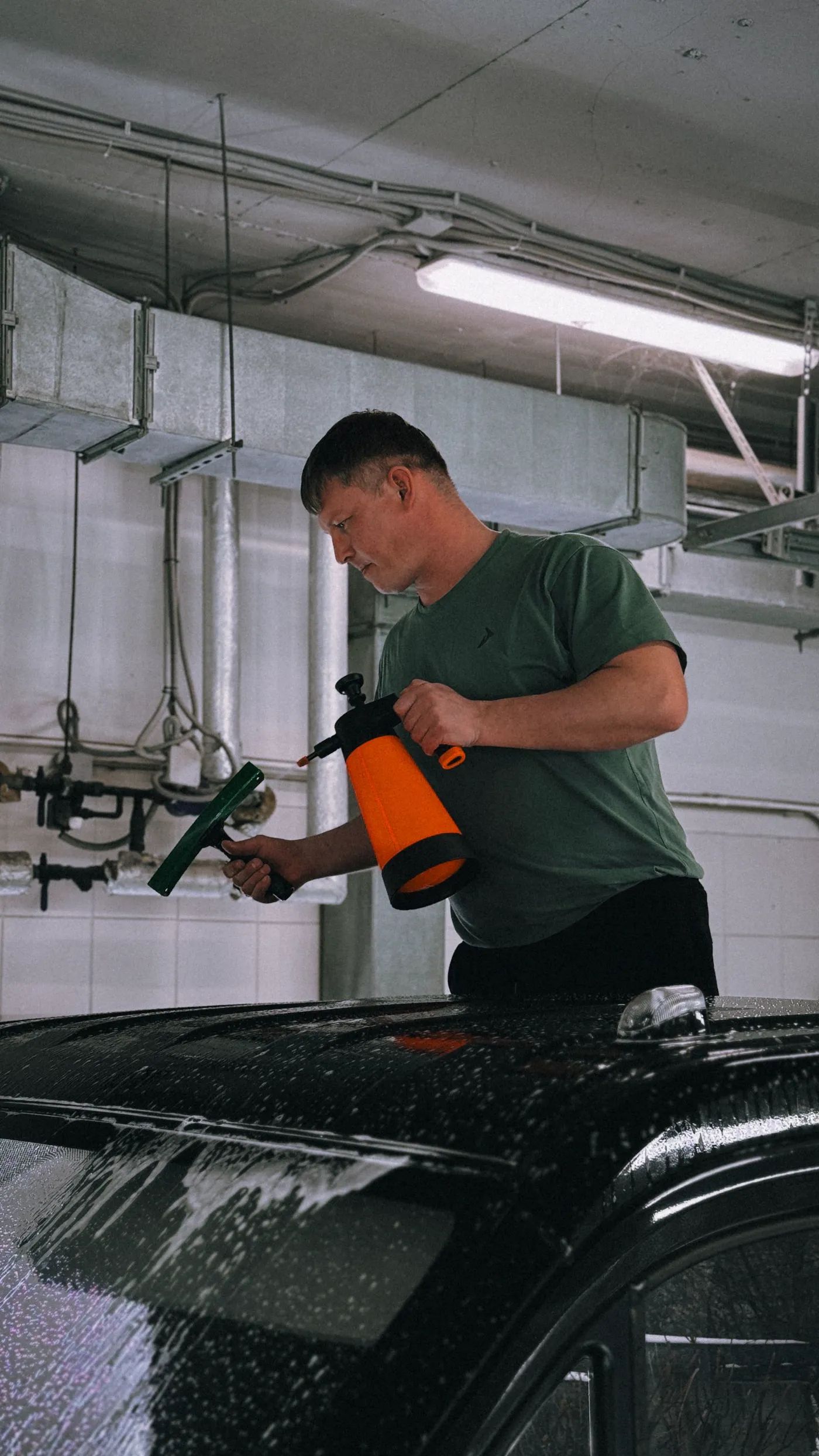
A rinseless wash is a lubricated mix in a bucket. You wipe a panel and dry it. There is no hose rinse at the end. The polymers in the mix are what let grit leave the paint instead of grinding in under the towel.
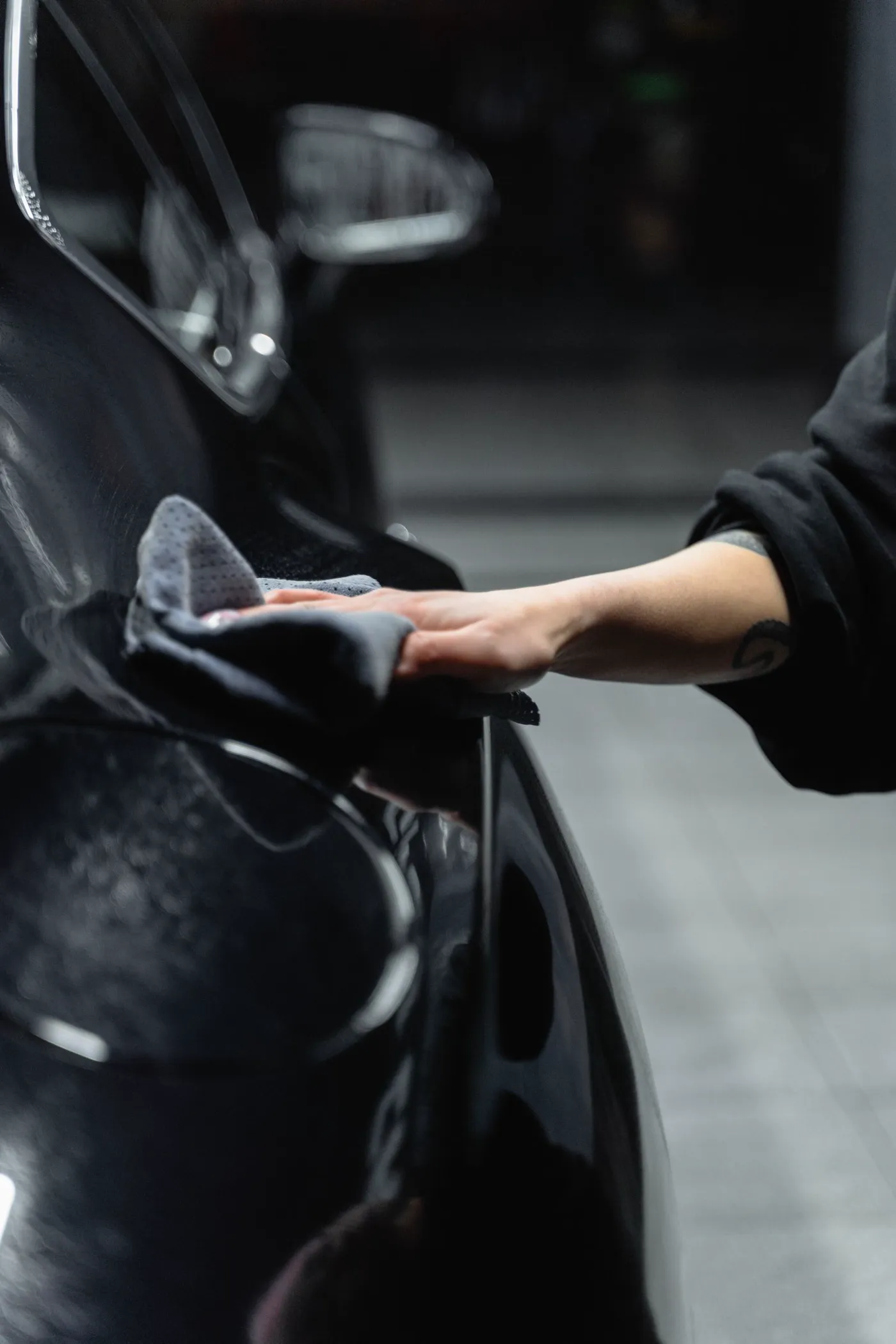
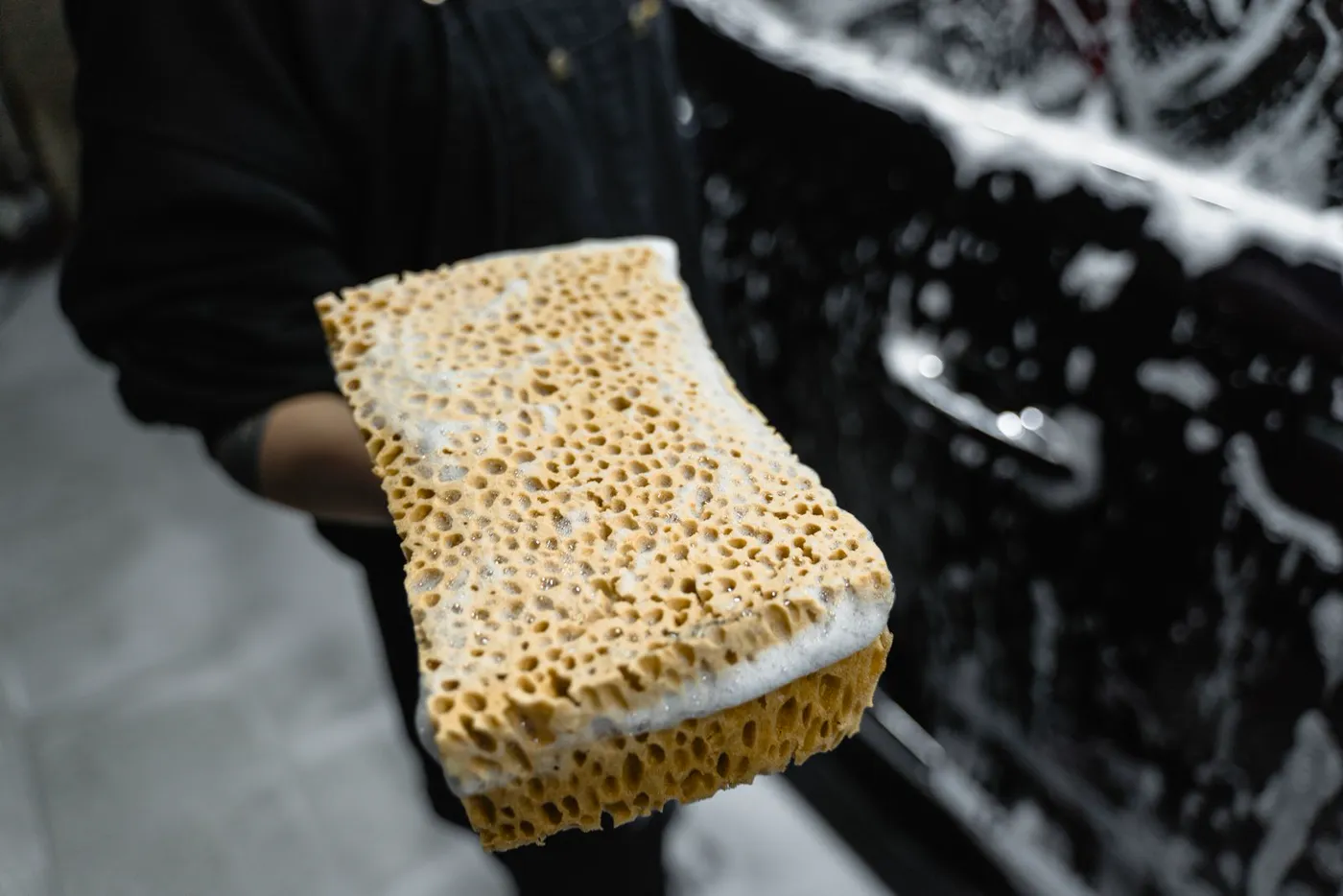
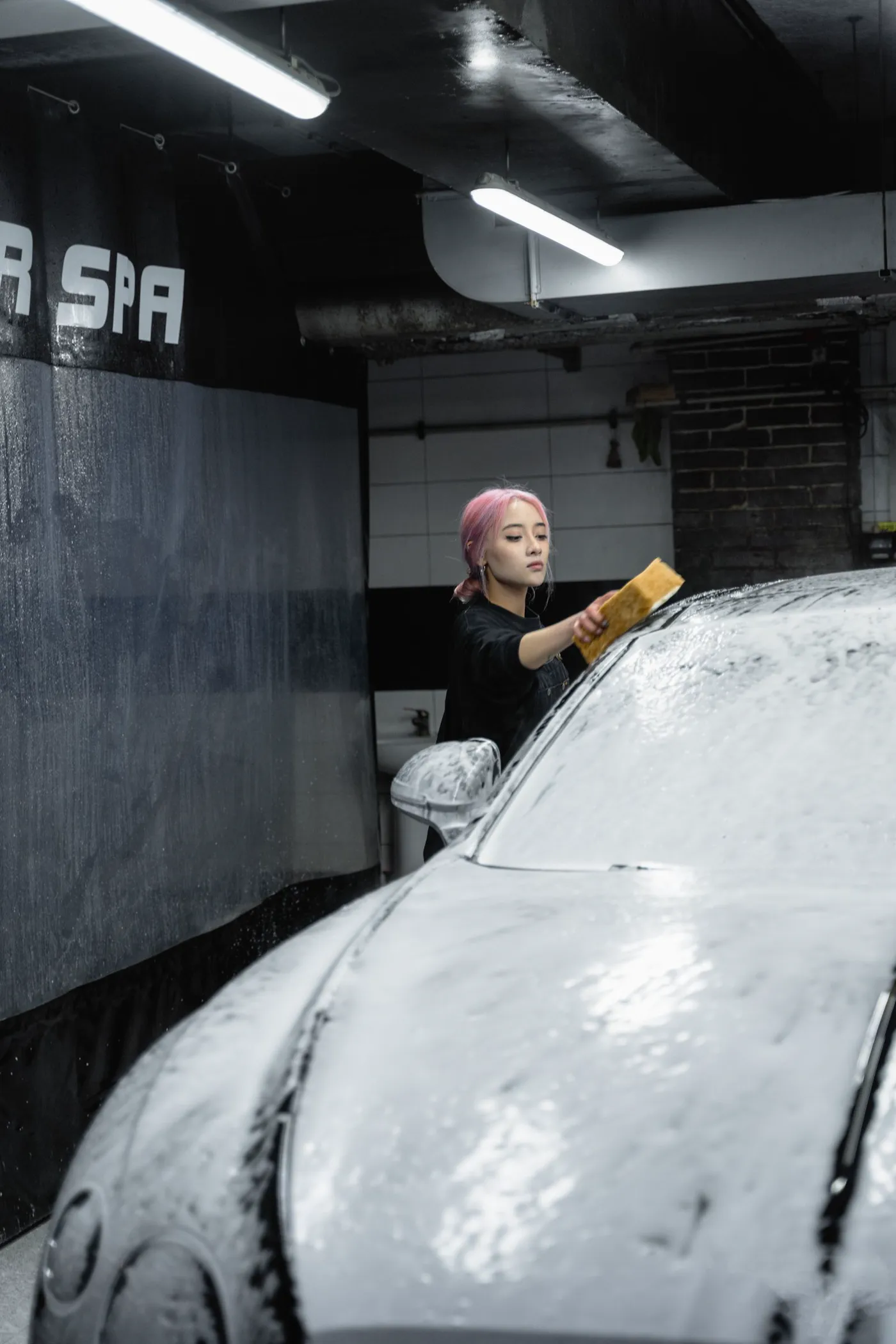
There are two ways to do the contact step. The two-bucket version looks like a normal wash: one bucket of rinseless mix with a grit guard, a second bucket to rinse the mitt, then a drying towel. The Gary Dean method skips the mitt. Soak a stack of plush microfiber towels in the mix, pull one out, and fold it into quarters. Wipe one panel. When a face loads up, fold to a clean face. When the towel is done, it goes in a discard pile, not back into the bucket. The next panel gets another towel.
Towels are the whole method. Use several, plush, and edgeless if you have them. One towel for a whole car puts the dirt you just lifted onto the next panel. Keep the drying towel dry and out of the wash bucket. Wash the towels later on their own, with no fabric softener.
It is the wrong call when the car is covered in mud, road sand, or a winter film of salt. That dirt needs a rinse before anything touches the paint. Rinseless is for dust and light road film, on a car you can already see is mostly clean. It does not replace a wheel cleaner, a tar remover, or an iron fallout wash. Do not wipe a hot panel in direct sun. The mix flashes and can spot. Move the car into the shade and work one panel at a time. If the paint feels gritty under the towel, stop and rinse.
The wash-gear list and the beginner kit guide go further on mitts, grit guards, and drying towels.